
Wonder is perhaps our most under appreciated positive emotion, but it that can motivate us to appreciate, love and conserve nature, here are some tips to rekindle our sense of wonder for nature.
The landscape of emotions
I think it’s important to recognize that we all feel a lot of negative emotions around environmental issues.

Particularly anger, fear, guilt, grief, sadness. Along with an overwhelming sense of helplessness when we discuss the impact climate change is having on our planet.
Whilst these feelings are a completely reasonable response, we risk disconnecting to avoid feeling angry or helpless? Can we achieve any positive outcomes or make any progress in helping our planet if we stay stuck in this overwhelmed state?
Its not all doom and gloom
In some cases, negative emotions can drive positive action. They can make us angry enough to contact that politician, go to that demonstration, and stand up and say this isn’t good enough.
But these kinds of emotions also take a toll on us and take a toll on our soul. It can seem as though solutions to environmental problems are very slow to come leading us down a path of hopelessness.
The power of positive emotions

Can we focus some of our energies into positive emotions? Can we connect positive emotions to the environment and nature?
There are lots of positive emotions associated with nature such as gratitude and happiness. But wonder isn’t very prominent in any list of positive emotions, and its actually recognised as one of the most undervalued emotions for generating change.
Lets test this
I’m going to show you some pictures, some wonderful pictures, and I ask you to focus on the emotions that you feel.


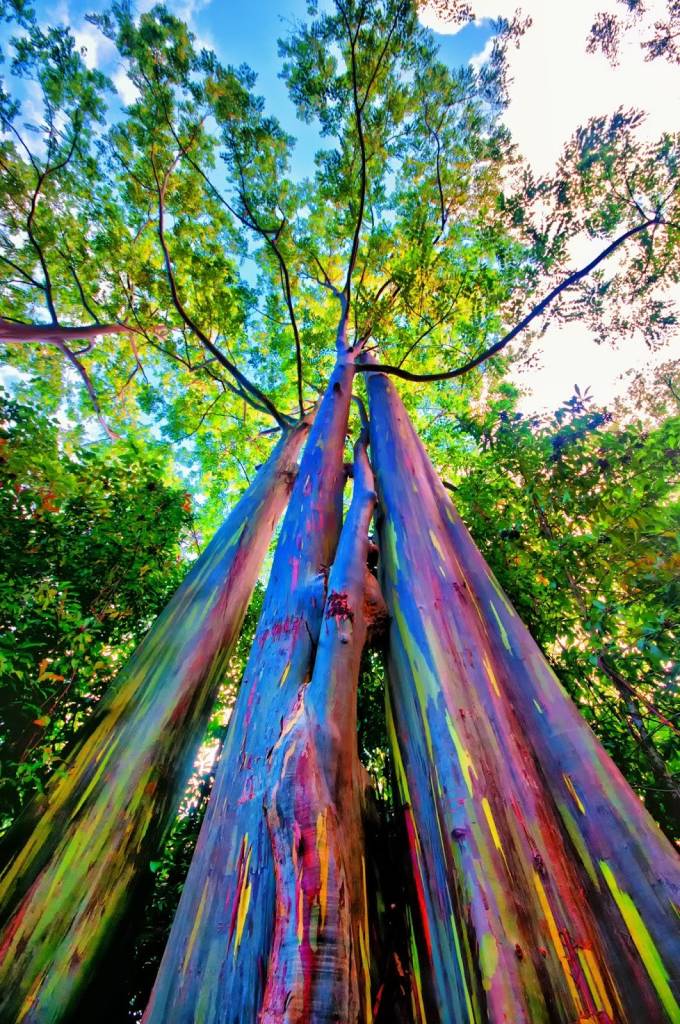
What emotions did you feel?
I tried this out at a couple of public events recently and a range of emotional responses came back – amazement, awe, beauty, curiosity, appreciation, gratitude, love – lots of positive emotions.
It seems wonder is a very powerful, undervalued emotion.
Something can be wonderful, it can also inspire wonder. Ignite a desire to want to know more about something. Create curiosity.
Wonder may be under-appreciated as an emotion, but it is absolutely an emotion we should celebrate and consciously seek out.
However, many of these positive emotions, including wonder, are fleeting.
If you’re walking along and you see a wonderful rainbow eucalypt, you appreciate it for a moment, but that moment is soon gone. In contrast, negative emotions, particularly anger and frustration last much longer and are hard to get past.
Positive emotions need to be revisited more often. We can make an active choice to sit with wonder a bit longer instead of moving on quickly so that it can be used as a tool to balance out the impact that longer lasting negative emotions have on us.
Nature disconnection
One of the other problems with nature, is our separation from it. Nature is our life support system. It cleans the air and water and provides numerous ecosystem services.
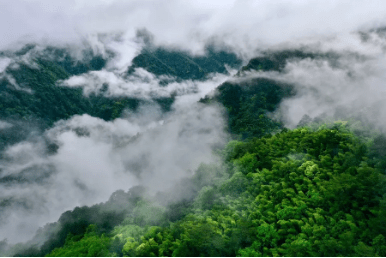

However, many of us live in an urban environment, where we are removed from nature, so we’ve become disassociated from it. We’ve lost that connection and we’ve lost that opportunity to wonder at nature because we don’t come into contact with it in our everyday lives. In many cities, nature just exists on the edges and the horizon, untouchable.

As Aldous Huxley points out – ‘We can only love what we know’
Losing our connection with nature stops us appreciating it, weve lost our wonder in it, and ultimately we don’t love it enough to take care of it.
We can love the elements of nature we know.
So, let’s look at a few simple examples of how we care for things. Looking at the difference between knowing something or how obscure it is to us.

Starting with our family pet. We know our family pets very well, they are not obscure to us. We include them in our everyday lives and we have a very high care factor for them.
Next step down, lets consider iconic animals. In Australia we care very much that koalas are being bulldozed out of trees on Kangaroo Island. We have grown to understand the importance of keeping safe iconic species that are under threat. For example, rhinos and elephants and pandas. Why have we focussed our attention on these iconic species and not others? In many cases conservation organisations have spent a lot of time making us aware of the challenges facing certain species, or in other cases we have grown up with those animals as cartoon figures. We now feel we know them well and we care deeply about their plight.
I think we all harbour a special place in our hearts for a range of small fluffy animals – transferred from the love for our pets or our deeper knowledge of better-known animal species. We extend this care to a much broader range of animals, although not quite as much as the species we know well or invite into our homes.
For trees and plants, the care factor is often a little lower. We may know a range of plants from our gardens, or we’ve become aware of the challenges facing forests due to illegal logging and deforestation. Many people care for trees and plants, but not quite as much as fluffy animals. However, we noticed a steep increase in indoor plants brought on by the recent Covid pandemic. People started to invest in nurturing plants within their home environment and benefiting from their healing power, which has continued.
Then we have all the rest of the species, the small stuff, insects and microbes. We don’t know that much about insects, and find them to be mostly irritating or disease causing such as ants and mosquitos. We are scared of spiders, and most don’t find them cute at all. Some are just outright dangerous like the Red Back spider, ok not technically an insect – but you get my gist.
The problem is most of our life on Earth comes under this category of insects and microbes. Some 85% of the approximately 10 million species we share the planet with. A mind-blowing realisation. In addition, most of the important life sustaining roles of our earth’s ecosystems (carbon sequestration, nutrient cycling, pollination) are performed by insects and microbes. Most of us know next to nothing about these species and consequently care very little for them. There is only so much care to go around so cute and fluffy tends to gain our focus.
We need to reframe our approach
We can’t be weighed down with the enormity of fixing everything today! That’s just unreasonable. We need to take the pressure off by making small changes to the way we include and connect with nature. This in the long run will help us to avoid detaching, hiding and feeling hopeless.
We need to rekindle our love of nature. We need to reconnect with the pure wonder of it! For what we love and admire, we care for.
Here are a few ways to rekindle our wonder for nature.
1. Get to know the small stuff, or at least some wonderful stories about some of them
There are some amazing insects out there. Get to know some insect stories. Here are a couple to start you off:
The fig wasp (adapted from USDA)
There are over 750 species of figs in the world (just let that number amaze you for a moment) and almost every one is pollinated by a different species of fig wasp specific to that fig: termed a dependent mutualism. Sounds intense – it gets better. To attract the fig wasps so they can pollinate the fig, the fig emits an enticing aroma that attracts only females of that specific fig wasp. She finds the fig by its scent and struggles to get inside through the small opening at the end of the immature fig fruit. Its such a tight passage that the wasp usually loses its wings and pieces of her antennae on the way in. Dramatic. However, it doesn’t matter because she will never need them again!

The female wasp then moves around the interior of the fruit visiting many female flowers, laying her eggs inside the seeds that will in time nourish her young, and at the same time spreading pollen collected from the previous fig where she was born and fertilising the fig’s flowers. Having now fulfilled her life’s mission, the female wasp dies inside the fig.
The eggs become grubs that grow inside the seeds. After completing their full development in just a few short weeks, the male wasps emerge first from inside the seeds, allowing them to mate with the females before they emerge. The males are smaller than the females and don’t even have wings, they don’t need them as they will never fly. After mating they, like their mother, they die inside the fig that was their home during their short but productive lives.
When the females emerge, they are already fertilized and make their way out through the same passage their mother once entered, brushing past the male flowers loaded with pollen to find another fig in which to pollinate, lay their eggs and so continue the cycle.
This incredible partnership requires very fine tuning and synchronicity on the part of the plant and of the pollinator, and is a classic example of co-evolution. When you’re next eating a naturally pollinated fig, ponder this fascinating act and enjoy all that added insect protein you’re consuming.
Stygofauna
Stygofauna are aquatic animals that live underground. They take their name from the River Styx, the mythical river of the underworld, a crossroads for the living and the dead. While some of the best-known species occupy lakes in subterranean caves, most stygofauna species occur in aquifers (natural underground freshwater reservoirs).
The stygofauna occupy fissures in these aquifers. Most stygofauna are invertebrate crustaceans, although there are also many species of gastropods (snails, clams), worms, flatworms, insects and small numbers of vertebrates such as fish and eels, and insects. Crustaceans make up the largest diversity of organisms in groundwater environments and include many primitive groups often referred to as ‘living fossils’, including Syncarida, Amphipoda, Isopoda, and Decapoda such as crayfish and shrimps.

Because they live in the absence of light and also in an environment which lacks food, stygofauna don’t have eyes or pigmentation, they have slow metabolisms and long, long life spans, and possess increased tactile and chemoreceptors.
The diversity of these critters is truly astounding – estimates of up to 100,000 terrestrial and aquatic species world–wide, with Australia a groundwater biodiversity hotspot. Stygofauna have adapted to living in isolated conditions underground over millions of years, with many spanning back to the late Palaeozoic era (up to 400 million years ago). We can trace the origins of these species back to a time when our current land masses were very different to today (in fact pre-Gondwanan and Laurasia), and due to this long time of separation and evolution, almost every underground aquafer system contains a different set of species.
There are a lot of amazing insect stories out there, check some of them out
2. Watch TV
I never thought I’d be recommending this one – but a really good way to get to see the wonder of different species around us, is from watching TV. There are people that have spent their career connecting us with nature, making us wonder, making us feel in or part of nature. Helping educate, entertain and connect us to the species they are most passionate about.

We have people like David Attenborough, Jane Goodall, Steve Irwin and Steve Backshall. These professionals have worked out that a negative story doesn’t hold attention, but a positive story driven by wonder can hold our interest for far longer leading us to connect and care, giving us an opportunity to consider learning more or maybe even feeling connected enough to get involved with a cause that resonates with us.

The Deadly 60 series, which my kids loved when they were growing up, even connects us with the dangerous and poisonous creatures. The mystery and awe kept my kids interested. Not everything has to be cute and fluffy to hold attention.
3. Get out and spend some time in nature to reconnect and find time to wonder about nature
There is loads of evidence to show the very positive mental and physical benefits that come from spending time in nature. It improves our mental health, lowers our heart rates and exposes us to positive microbiomes which help our immune systems.


Simply spending time in your garden. Wondering at how plants grow, and marvelling at how they survive through the seasons. Buy a house plant and try and keep it alive. You’ll learn a lot after you’ve watched a few die under your care!
We can take a walk in a park. It costs nothing but time. Observe the amazing array of colours and textures in our parklands and see if you can spot some interesting insects.
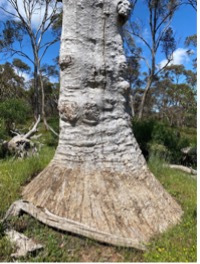


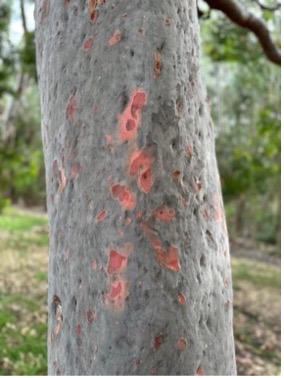
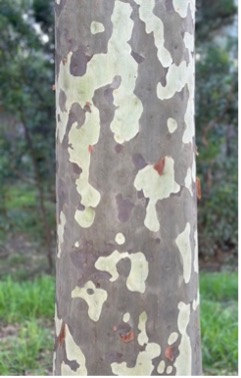
I walk in nature with my partner often. It’s never a fast walk. I am always turning around to see what has caught her eye, the colours and textures that inspire her. Here’s just a few of our wonder moments.
So discover your nature thing
Find what makes you stop and feel a sense of wow!
Get outside.
Do it often.
Be kind to yourselves and use nature to balance the negative emotions with positive emotions.
Wonder certainly shouldn’t be an underrated positive emotion, it deserves top billing.
Acknowledgements:
This presentation was given as part of the Floods of Fire Event held at the University of Adelaide Campus, 16th March 2024. Thanks to Kellie Fergusson for editorial input and photos of trees.
Cover image photo credit: https://www.narcity.com/places-see-northern-lights-canada-wherever-you-live
Resources:
 Prof Andy Lowe
Dear Professor Andy Lowe,
For the sake of consistency, I thought that I should also comment here. It has been a long while since we last communnicated here. How do you do? Your previous post was published about two years and two months ago on 7 March 2022. I rushed over here as soon as you published this one here and also at andylowe.org
Happy May to you and your team, and to your inspirational blog exploring biodiversity and documenting your findings!
I have enjoyed reading your current post entitled “Rekindling Our Sense of Wonder for Nature”. We can agree that exploring the biology behind human responses is increasingly important in our contemporary world. Academic interest and fascination aside, it seems that we all find great beauty in Nature. Yet, beauty is not entirely subjective and is not just in the eye of the beholder. There is strong, unshakable evolutionary basis for our sense, feeling, perception and conception of beauty. In addition, there are evolutionary bases in people’s sense of morality and in their behaviours. We can find a great deal of new understandings in multidisciplinary fields such as sociobiology, evolutionary psychology and behavioural sciences, epigenetics, brain and cognitive sciences, gene-culture coevolution, biophilia and many more. . . . .
Having been a multidisciplinary academic (now largely retired), I am always very interested in, and have been heartened by, the incorporation of biophilia in projects. Certain concepts such as affordance and biophilia, have fascinated me. The recently departed Edward O Wilson, an entomologist specializing in myrmecology, who proposed the idea of biophilia, has been one who often stepped beyond disciplinary boundaries to achieve greater insights. You may have already known that Wilson’s seminal book “The Diversity of Life” has given us the terms “biodiversity” and “biophilia”. I have owned a copy of the book for 20 odd years. That we can learn a great deal about ourselves and Nature via the notion of “Biophilia” as first proposed by Wilson is in some ways both refreshing and revolutionary.
One of my most favourite books of Edward O Wilson is none other than “Consilience: The Unity of Knowledge”, which is a national bestseller, not to mention that Wilson has received many fellowships, awards and honours, including two Pulitzer Prizes. I love the word “Consilience”, which I have used in my very long “About” page.
My special and academically written post entitled “We have Paleolithic Emotions; Medieval Institutions; and God-like Technology” is a detailed and expansive tribute to Wilson. The direct link is:
Dr Craig Eisemann, a retired entomologist, has also contributed to the said post. As far as I can ascertain, the post contains the most complete list of Wilson’s works and awards as well as other achievements and associations.
Given the complexity and intricate formats of the post, it is preferrable or even essential to use a desktop or laptop computer with a large screen to view the rich multimedia contents available for heightening your multisensory enjoyment at my website, as the limitations of iPad, iPhone, tablet or other portable devices frequently result in very dissatisfactory and highly problematic handling of my website’s contents, severely curtailing their readability and distorting their formats.
I welcome your input there since I am curious to know what you make of my said post as well as your perspectives on those matters discussed in the post.
If you also happened to be an audiophile and connoisseur of fine sonic art, then you would be pleased by the availability of a fair amount of music on my website, much of which comprises my musical compositions. These constitute only a fraction of my total musical output, as I have yet to find time to showcase the rest of my compositions on my website. Moreover, those published compositions are by no means representative of my musical oeuvres, which are very diverse. Hence, you might wish to turn on your finest speakers or headphones, as some of my posts and pages will be playing music to you automatically.
I hope that you continue to do very well and find fulfillment in whatever you enjoy doing and savouring, especially through formulating and sharing your “Thoughts from the vanguard of biodiversity research.”
Yours sincerely,
SoundEagle🦅
LikeLike