Jane Goodall on nature education, empathy, local focus, and some timeless advice from her mother

Jane Goodall is a living icon. While we’re most familiar with Jane’s conservation promotion through her work on animal behaviour, she also works tirelessly reaching out to the younger generation, fostering a global community of conservation. Jane was recently in Australia and as part of a public lecture spoke with Eco Futurist host Prof Andy Lowe during The Jane Goodall Institute’s ‘Reasons for Hope Tour’. This podcast is a recording of this public ‘fire side chat’ with Jane.

Continue reading “Jane Goodall on nature education, empathy, local focus, and some timeless advice from her mother”
Featured post

Reducing nutrient run-off and environmental impact

Nutrients drive our plant and soil systems from fertilisers in agriculture to microbiomes in our forests and gardens. But as we all know, too much of a good thing can be bad for us. Since the rise of industrial-scale fertiliser use, excess nutrients have increasingly impacted streams, rivers and our coastal ecosystems. 

In this post, based on the 2026 Uraidla Sustainability Fair panel discussion, we unpack how nutrient pollution works, how it’s managed at a landscape scale, and, more importantly, what individuals and communities can do to reduce its impact.

Australia – a low nutrient continent

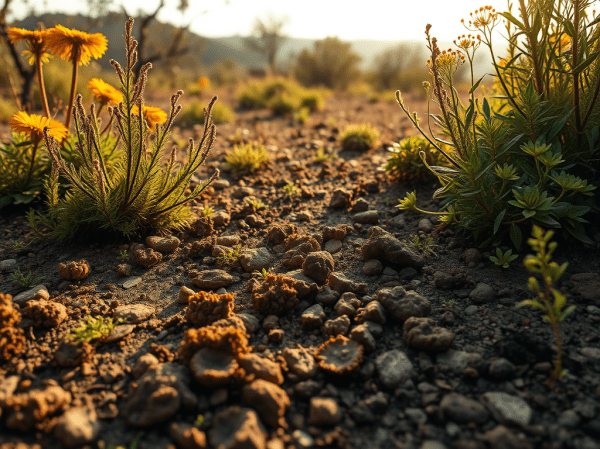
Australian ecosystems are largely defined by ancient, deeply weathered soils that are inherently poor in nutrients, particularly phosphorus and nitrogen, fostering unique adaptations in its plants and animals. These nutrient-poor conditions drive the evolution of specialized vegetation, intense wildfires and unique microbial communities. Australian Ecosystems have:

  • Nutrient-Poor Soils: Australia has a high proportion of nutrient-poor soils due to its geological age. This encourages plants to develop strategies like efficient nutrient uptake (e.g., proteoid roots), rather than fast growth.
  • Adaptation (Nutrient-Poverty/Intense-Fire Theory): Plants in low-nutrient environments produce well-defended, woody foliage (sclerophylly) instead of high-nutrient biomass. This results in high fuel loads, causing intense fires that further volatilize vital nutrients.
  • Terrestrial Nutrient Cycling: Soil microorganisms are vital for nutrient cycling and maintaining ecosystem resilience, which are threatened by land degradation.

The double-edged sword of fertilisers 

Humans have used organic materials (like manure, bat and bird guano, bone, blood and ash) as fertilisers for thousands of years. However, industrial-scale production of chemical fertilisers started in the mid-19th century following scientific breakthroughs in plant nutrition. The first patented artificial superphosphate fertiliser was produced in 1842 and industrial scale manufacturing proceeded during the 1850-1870s. Further chemical engineering developments have allowed massive quantities of nitrogen and phosphorous fertilisers to be produced easily and cheaply ever since. The industry’s expansion in the 20th century, accelerated after World War II, was crucial to driving crop yields and feeding people across the globe as part of the “Green Revolution”.

Whats the limit?

2025 Planetary Boundaries Analysis – nutrient levels listed under ‘BioGeoChemical Flows’ for Nitrogen ‘N’ and Phosphorous ‘P’.

The planetary boundaries framework (developed by the Stockholm Resilience Centre) defines the safe limit of release and activity across 9 domains to keep the planet with a safe operating space aimed at preventing ecosystem degradation.

Largely due to an overreliance on synthetic fertilizers and manure, the safe boundaries for nutrients (nitrogen and phosphorus) were crossed in 1964 (phosphorus) and 1970 (nitrogen), with current application levels exceeding 200–300% of the safe operating space. Both Nitrogen (N) and Phosphorus (P) are considered high-risk, “red zone” transgressions, meaning we are well beyond the safe operating space.

What’s the cause? 

Excessive fertiliser usage and animal manure in intensive agriculture is the primary cause of nutrient run-off, heavily linked to food production and high-income regions, notably in Europe and North America. But other human activities, including urban runoff and stormwater carrying pet waste, lawn fertilizers, and detergents, and wastewater and sewage treatment plant discharges, also cause nutrient run off. 

What’s the impact?

When too many nutrients—primarily nitrogen and phosphorus—flow off our lands, it causes a severe environmental problem known as eutrophication. This process turns waterways into overly fertile environments, triggering excessive growth of algae and aquatic plants, which ultimately degrades water quality and creates ecosystems unable to support most aquatic life. The key problems include:

  • Massive Algal Blooms: Excess nutrients act like fertilizer in water, prompting rapid, thick growths of algae and cyanobacteria (blue-green algae). These blooms block sunlight from reaching underwater plants, causing them to die.
  • Oxygen Depletion (Hypoxia): When the algae and plants die, bacteria decompose them, consuming nearly all the dissolved oxygen in the water.
  • “Dead Zones” and Fish Kills: The lack of oxygen creates “dead zones”—areas where fish, crabs, and other marine life cannot survive, leading to mass fish kills.
  • Toxic Waters: Some algal blooms are toxic, creating hazards that make water unsafe for drinking, swimming, and fishing. They can also cause fish die-off, kill livestock that drink the water and cause rashes and irritation in humans and pets.
  • Loss of Biodiversity: Freshwater and marine ecosystems becomes simplified, dominated by a few fast-growing species while reducing biodiversity. 
  • Impacted Coastal Productivity: Excessive nutrient run off into the oceans, and for example seen around the Great Barrier Reef, cause increased turbidity, coral disease, and decreased marine biodiversity. 

Other Environmental and Economic Impacts:

  • Reduced Water Quality: Unpleasant odours, scum, and murky water reduce the recreational value of rivers and lakes and impacts biodiversity reducing the overall ecology health of the waterway.
  • Economic Losses: Nutrient pollution damages fishing and tourism industries, and increases the costs of treating drinking water.
  • Wellbeing Impact: Poor water quality can also cause an impact on people’s wellbeing, which we have seen during the South Australian Harmful Algal Bloom crisis. 
  • Climate Change: Changes in rainfall and temperature affect the transport of nutrients and worsen the impact of nutrient runoff in coastal ecosystems.
  • CompoundingIn some areas, these problems are compounded by “legacy” nutrients that have built up in the soil and groundwater over decades of intensive land use.

So what are the solutions?

Our panel list a number of ways we can directly reduce and mitigate and remediate the impacts of nutrient run off.

  • Minimise surfaces around your house that increase water run-off and nutrient flow, such as concrete or fake grass. Plant real grass and/or   garden beds to better uptake water from rain and reduce stormwater runoff into drains .
  • Sweep leaves out of roadsides and gutters to prevent organic matter entering stormwater drains. Pop this green waste in your compost or green bin. 
  • Plant non-deciduous native trees, not exotic deciduous trees as leaf fall from deciduous trees, results in lots of organic matter reaching waterways. 
  • Don’t let detergent waste from cleaning your car or boat run off into stormwater drains. Wash your car on your grassed area or use a car wash facility instead. 
  • Harvest and reuse water from the roof of your house and/or sheds.  
  • Keep cows and other livestock out of streams, rivers and creek beds to prevent their pee and poo entering waters and also disturbing sediment – fence creek lines.
  • Revegetate creeks and rivers with native indigenous plants
    • Fence off areas to remove animalsUse native speciesRemove weedsReduce sedimentation and erosion
    • Support healthy permanent pools for native fish
  • Use grasses and implement health soil and healthy microbiome systems on land to help soak up excess water and nutrients
  • Join a local creek conversation group or youth environment group and help actively manage waterways or lobby for change. Get involved in bioblitz which are coordinated by your local Landscape Boards to better understand the health of our waterways. 
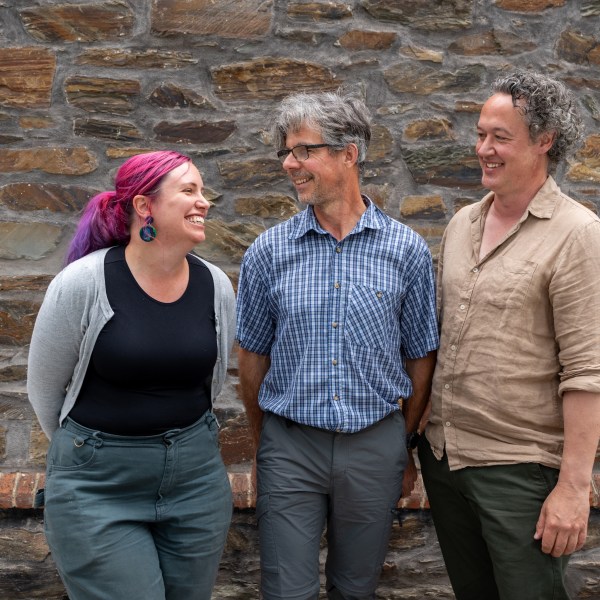
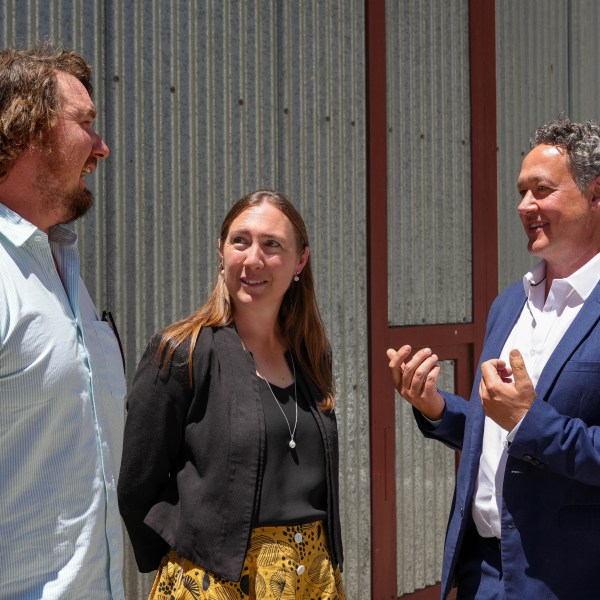
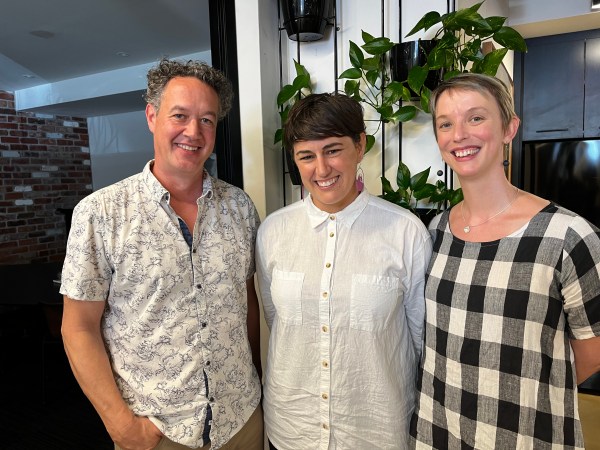
Panellists: L-R: Andy Lowe, Tara Ingerson, Ira Thorstensson, Wendy Telfer, Will Hanford, Saskia Latreia and Astrid Haines

Panelists

Tara Ingerson is an environmental scientist working with the Environment Protection Authority for over 20 years. She is the Principal Coordinator, Environmental Reporting, and leads the coordination of the State of the Environment Report for South Australia. This five-yearly report involves extensive stakeholder consultation and the collation of whole-of-government information to provide a comprehensive look at the State’s environmental health

Wendy Telfer coordinates ReBird the Ranges, an alliance of 25 organisations working to halt the decline of woodland birds in the Mount Lofty Ranges. Her career spans ecological research, First Nations-led projects, landscape and water planning, and nature restoration. She is passionate about working with community to restore nature at scale.

With a background in horticulture and bush care work, Ira Thorstensson is well acquainted with the science and on-ground impacts of soil nutrients. These impacts are particularly relevant to the planning involved in the Sixth Creek Catchment group, which Ira is chairperson of; Sixth Creek is a freshwater system, and like many in Australia, negatively affected by landscape-level land-use changes.

Will Hannaford has been fortunate to live and work in the Adelaide Hills for much of his life. He has worked in agriculture and viticulture, and for the last 15 years, he has worked for Natural Resources Adelaide and Mt Lofy Ranges and Landscapes, Hills and Fleurieu. He has lived on rural properties where he managed small cattle herds, but now manages his 90-acre Charleston property for nature.

Astrid Haines is a year 11 student at Heathfield high school and a youth ambassador and environmental and climate advocate.

Saskia Latreia is a year 9 student at Heathfield high school and a youth ambassador and environmental and climate advocate.

Prof Andy Lowe (moderator) is Director of the Environment Institute at Adelaide University. He is an expert on trees and genetics. He has discovered lost forests, championed the elimination of illegal logging and advised the United Nations Office on Drugs and Crime. Andy is a passionate science communicator, podcast host and TEDx speaker.

Other resources

A recording and transcript of the panel discussion, together with photos from the day, can be found at the Uraidla Sustainability Fair website.

Further resources provided by panel include:

Science in the media in a post truth world

I had the great pleasure of speaking with science writer Sarah Keenihan about one of my favourite subjects: communicating science! In a time when algorithms track our every click through the media scape how do we know when we’re being duped? How do we ensure that the scientific ‘fact’ we’re consuming is, in fact, truthful, and how do we get science fact out there?

Continue reading “Science in the media in a post truth world”

A walk in the park? The park systems that help shape our cities, cultures, and civic identities

Over the holiday season I published this enlivening and yet grounding chat with Matthew Skjonsberg, Director of the Praxis Institute. He was visiting Adelaide from Switzerland late last year and I was lucky enough to get him in studio to speak about his knowledge, passions and visions for park systems around the world.

Continue reading “A walk in the park? The park systems that help shape our cities, cultures, and civic identities”

Citizen Scientists: the willing and able who are helping drive research forward

They may not have research degrees or formal qualifications, but there are millions of people globally putting their hands up to and participating in Citizen Science projects. Community science puts ordinary citizens front and center in often groundbreaking research, with amazing results.  In this episode of Eco Futurists host Prof Andy Lowe has a delightful conversation with Dr Erinn Fagen-Jeffries and Prof Frank Grützner about the lessons learned in the evolution of Citizen Science projects, echidna poo, and a new insect named ‘Oreo’. 

Continue reading “Citizen Scientists: the willing and able who are helping drive research forward”

When the invaders are locked out: bringing back threatened native species in outback Australia 

When the continent of Australia was settled by Europeans they came with their cats, foxes, rabbits and any number of foreign animals. It didn’t take long for these ‘invaders’ to destabilise delicate ecosystems and lead to a wave of the extinction amongst native animals.

Continue reading “When the invaders are locked out: bringing back threatened native species in outback Australia “

Keeping curiosity: youth reflections on Dr Jane Goodall’s quest for a more sustainable future

Join us in this energetic and motivating episode as I speak with Tiahni Adamson (Young South Australian of the Year 2024) and Shannon Evenden (Science Communicator with The Green Room). They talk all things kids, nature, and how being more like mud not stone might be just the answer to our conservation and climate change challenges.

Continue reading “Keeping curiosity: youth reflections on Dr Jane Goodall’s quest for a more sustainable future”

Create a website or blog at WordPress.com

Up ↑