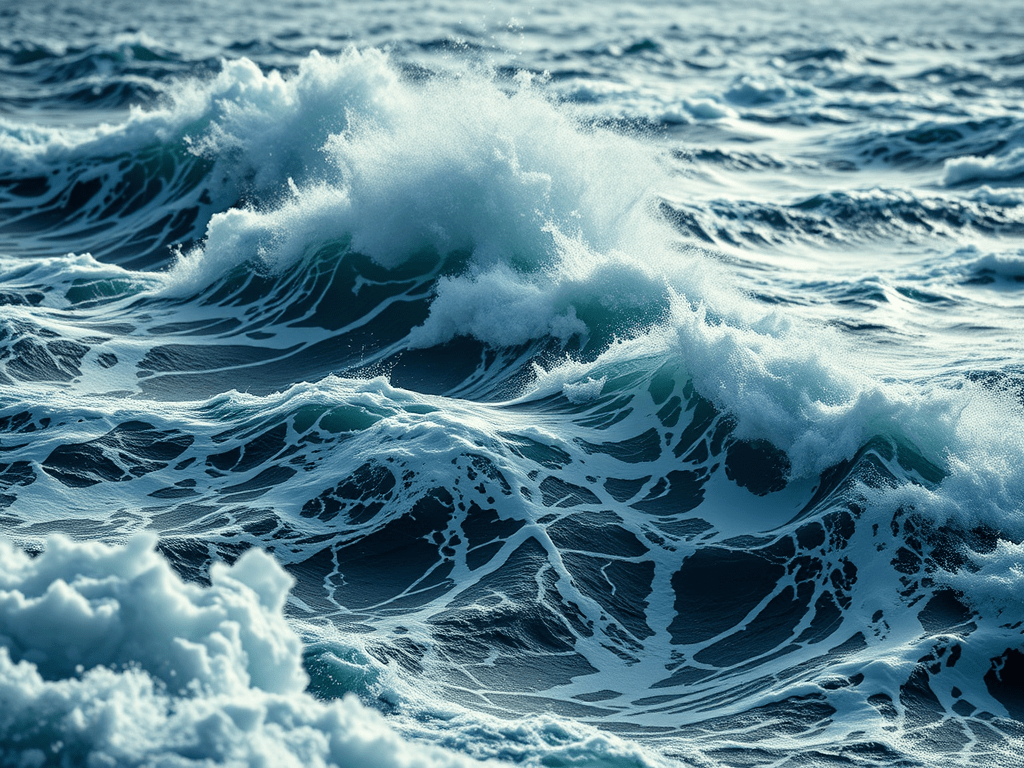
The Southern Ocean carries stories of change, resilience and reckoning. From historical narratives to devastating modern algal blooms, from polar expeditions to the futures of our coasts, we need to reckon with and act to protect our deep blue seas.
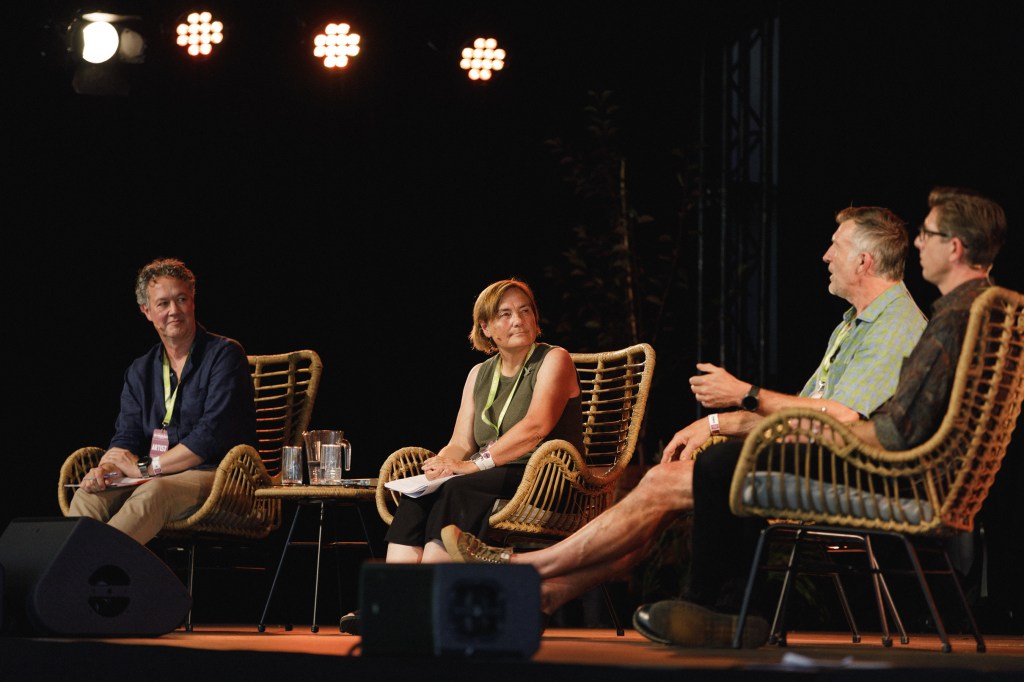
In this years WOMADelaide Planet Talk, we explore the cultural memory, ecological shifts, and climate urgency shaping one of Earth’s most powerful oceans. A lively and thought-provoking discussion with Dr Tim Jarvis AM, Dr Joe McCann, Dr Dom McAfee, and moderated by Prof Andrew Lowe. Presenting the myths and legends about the ocean, the current state and threat to the ocean and also what we can all do to help defend, protect and repair our ocean ecosystems.
The Myths
Myths about oceans and seas are numerous. Oceans represent a vast, largely unexplored, and dangerous frontier that has fascinated and terrified humans for millennia. The ocean’s immense, mysterious, and unpredictable nature, combined with its role as a vital, yet perilous, source of food, produce and travel, fuelled ancient folklore to explain the unknown. There are probably a number of reasons for these myths and legends:
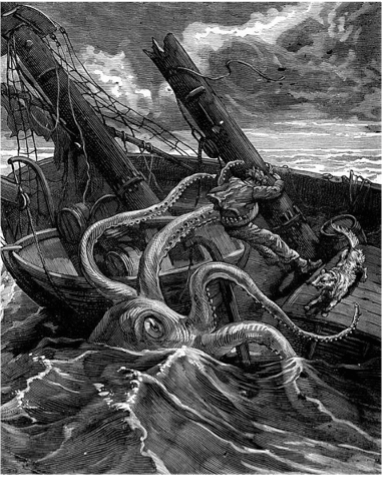
- Perilous & Unknown Environment: Before modern navigation, the sea was an uncharted, dangerous place where storms and strange creatures created real, life-threatening danger, inspiring tales of sea monsters (like the Kraken) as cautionary tales.
- Misinterpretation of Real Marine Life: Strange, massive, or unknown creatures (like giant squid or oarfish) were often mistaken for mythical sea monsters.
- The Unexplored Deep: Over 80% of the ocean remains unmapped, unobserved, and unexplored, creating a “blank canvas” for imagination, fear, and wonder.
- Symbol of the Unknown: The ocean is often used in culture as a metaphor for the subconscious, a bridge between worlds, or a spiritual journey, leading to stories of lost cities like Atlantis.
- Cultural Explanations: Many cultures used myths to explain natural phenomena, such as tides, massive storms, or the creation of islands.
- But also associated with discovery of amazing and exotic places, cultures, foods and products – the trade in exotic goods drove colonial exploration
Also think about some of the classic novels about the sea and oceans, which perpetuate and leverage many of these myths:
- Old man and the Sea – toil and danger
- Treasure Island – pirates and danger
- Moby Dick – very large whale, toil and danger
- 20,000 leagues under the sea – underwater sea creatures, mad scientist and danger
Even today, while science has debunked many myths, the ocean’s sheer scale and mystery ensure that it remains a source of fascination and enduring myths.
And at the heart of the Southern Ocean perhaps the most mysterious place on the Earth – the Antarctic
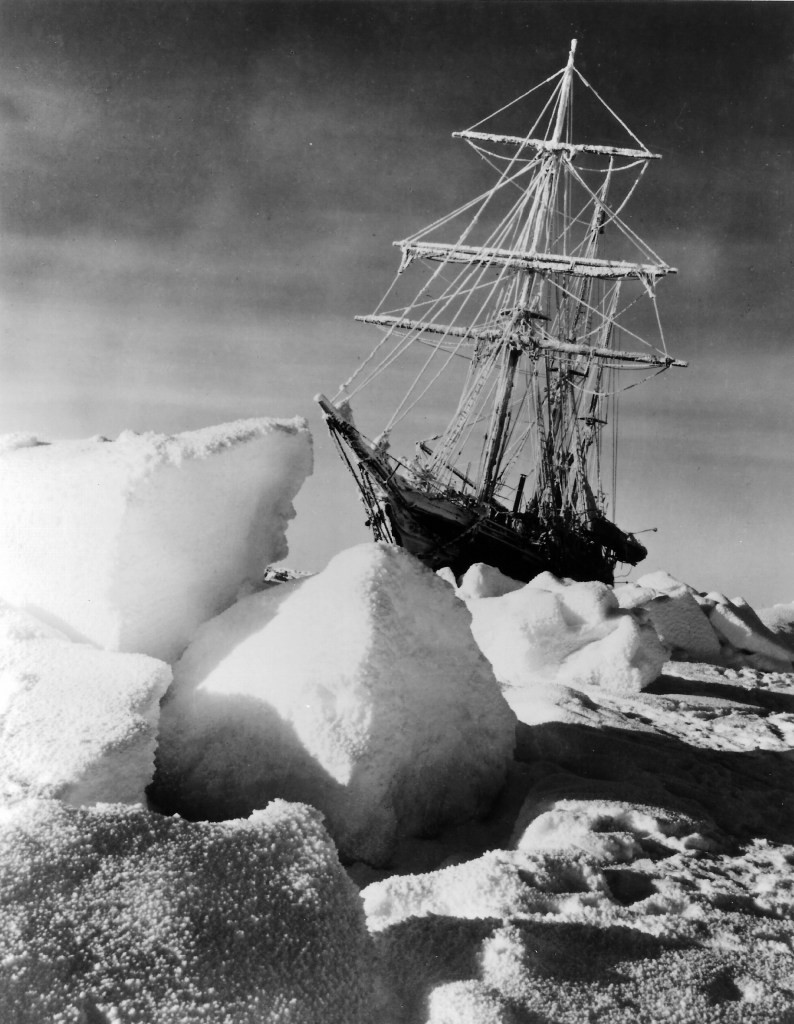
Who could forget the provocative, desolate and eerie photos of the Antarctica by Frank Hurley from Shackleton’s ultimately unsuccessful expedition.
The Antarctica more than any other place on earth is the subject of numerous myths and conspiracy theories primarily because it is a remote, largely unexplored, and inhospitable environment that acts as a “blank canvas” for human imagination. These include
- The “Ice Wall”: A popular flat Earth theory that Antarctica is a massive ice wall surrounding the planet.
- Hidden Civilizations and Nazi Bases: Speculation that the continent houses secret, ancient, or advanced civilizations.
- Tropical Underground Worlds: Theories suggesting a warm, hidden world exists beneath the ice.
- Scientific Cover-ups: Misinterpretations of scientific research as hidden government activity.
But in reality, Antarctica is just a highly regulated, peaceful, scientific, and ecological preserve, not a land of hidden secrets.
Southern Ocean – The Facts
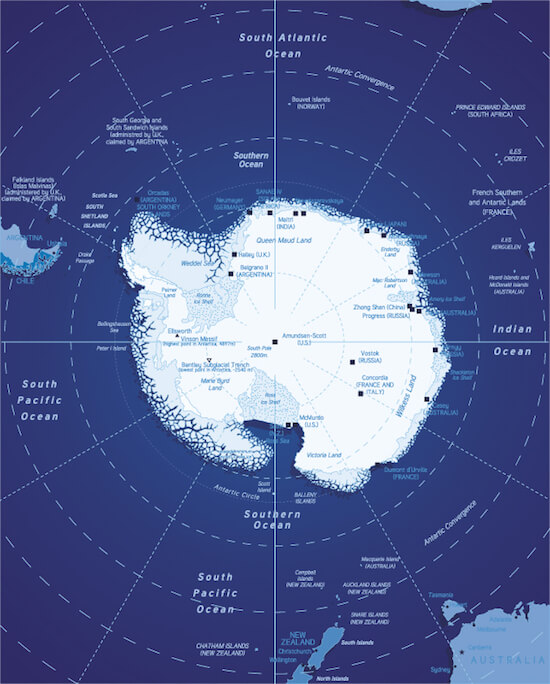
The Southern Ocean, is the world’s fourth-largest ocean (approx. 22 million km2), encircling Antarctica – a critical global climate regulator. The only ocean that connects the Pacific, Atlantic, and Indian Oceans. Key facts about the Southern Ocean:
- Physical Features: It reaches average depths of roughly 3,000–3,270 meters, with a maximum depth of 7,236–7,432 meters in the South Sandwich Trench.
- Unique Current: The Antarctic Circumpolar Current (ACC) is the world’s longest, strongest, and deepest-reaching current, flowing west-to-east around Antarctica.
- Ice Coverage: The Southern Ocean is characterized by massive, seasonal sea ice that acts as an “air conditioner” for the planet by reflecting 50–70% of solar radiation.
- Climate Regulator: It absorbs roughly three-quarters of the anthropogenic heat taken up by the global oceans and is a major carbon sink.
- Absorbed 40% of all CO2 ever emitted
- Ecosystem & Wildlife: It is a biodiversity hotspot, containing invertebrates, and supports key species like krill, whales, seals, and penguins.
- Global nutrient and energy driver: Marine life like krill powers our marine and in turn terrestrial nutrient energy flow systems, and food
Ocean Blindness
But there is a critical problem with our oceans – ocean blindness – we can’t see what’s happening beneath the waves and so we assume everything is ok, but its not.
Major environmental impacts on oceans include:
- Overfishing: Unsustainable fishing practices are depleting fish stocks and destroying marine habitats.
- Sea Level Rise: Caused by thermal expansion and melting ice, rising levels threaten coastal ecosystems and communities.
- Ocean Acidification: Increased CO2 absorption reduces ocean pH, endangering shellfish, plankton, and coral reef formation.
- Plastic Pollution and Debris: Millions of tonnes of plastic, including microplastics, enter the ocean annually, causing entanglement, ingestion, and starvation in marine animals
- Nutrient Pollution: Runoff from farms (nitrogen/phosphorus) causes harmful algal blooms and creates oxygen-depleted “dead zones”.
- Chemical & Light Pollution: Oil spills, heavy metals, and artificial light at night disrupt marine lifecycles and behaviours.
With so many threats how do we protect and repair these essential systems?
Marine sanctuaries are being established and key areas of ocean protected, more example recent wins in establishing sanctuaries around Macquarie, Heard and MacDonald Islands.
Massive work is underway in South Australia’s gulfs to rebuild shellfish reefs and sea grass meadows. Much of it involving community participation.
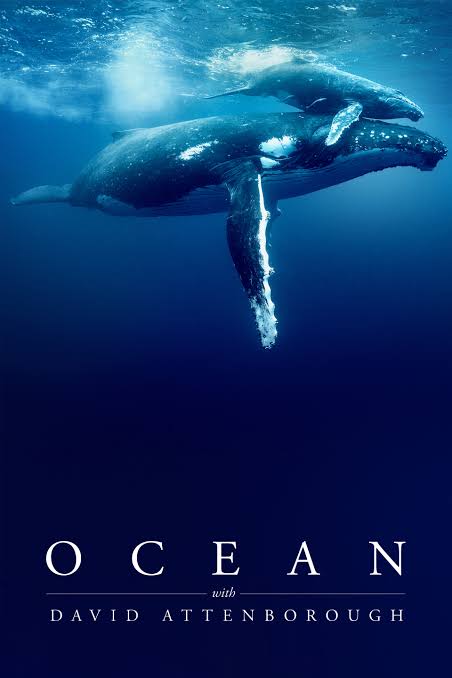
But perhaps one of the easiest ways to understand and connect with the issues is through great film series on the topic like David Attenborough’s fabulous wildlife narrative Ocean.
Listen to the panel discussion here: https://www.womadelaide.com.au/info/podcasts
This Planet Talks session was made possible this year due to the support of Claire Pfister, the Environment Institute at Adelaide University, the Environmental Defenders Office and the Guardian, and also for this session from the Bob Hawke Prime Ministerial Centre.
Expert panel:
Joy McCann, an Australian environmental and public historian who explores the interwoven histories of people, places, ideas and the nonhuman world. She is recipient of a 2026 National Library of Australia Fellowship, Adjunct Associate Professor at the University of Tasmania, and the author of Heart of Ice, Wild Sea and Ice Bound: The Australian Story of Antarctica.
Dr Tim Jarvis AM, an environmental scientist and adventurer committed to finding solutions to major environmental issues through expeditions, films, books and public speaking. He is perhaps best known for his historically authentic recreations of the Antarctic survival journeys of Sir Douglas Mawson and Sir Ernest Shackleton. Tim is founder of The Forktree Project, a native revegetation project on South Australia’s Fleurieu Peninsula, Global Ambassador and Governor of the World Wildlife Fund for Nature, Southern Ocean Ambassador to Save Our Marine Life and a Vice President of Flora and Fauna International.
Dr Dominic McAfee, a marine ecologist and Future Making Fellow in the Environment Institute at Adelaide University. Recently, he has become a key voice on the toxic algal bloom affecting South Australian waters, offering expert insight into its ecological drivers and impacts. Dom’s research work blends marine science and social engagement, highlighting how oyster reef restoration and public dialogue can support both biodiversity and community well-being in a changing climate.
Professor Andy Lowe (moderator), Director of the Environment Institute at Adelaide University. Expert on trees and genetics, who through his work has discovered new species and lost forests, and worked with the United Nations, Australian international governments and industry to eliminate illegal logging in global timber supply chains. He is a passionate science communicator, podcast host and TedX speaker.
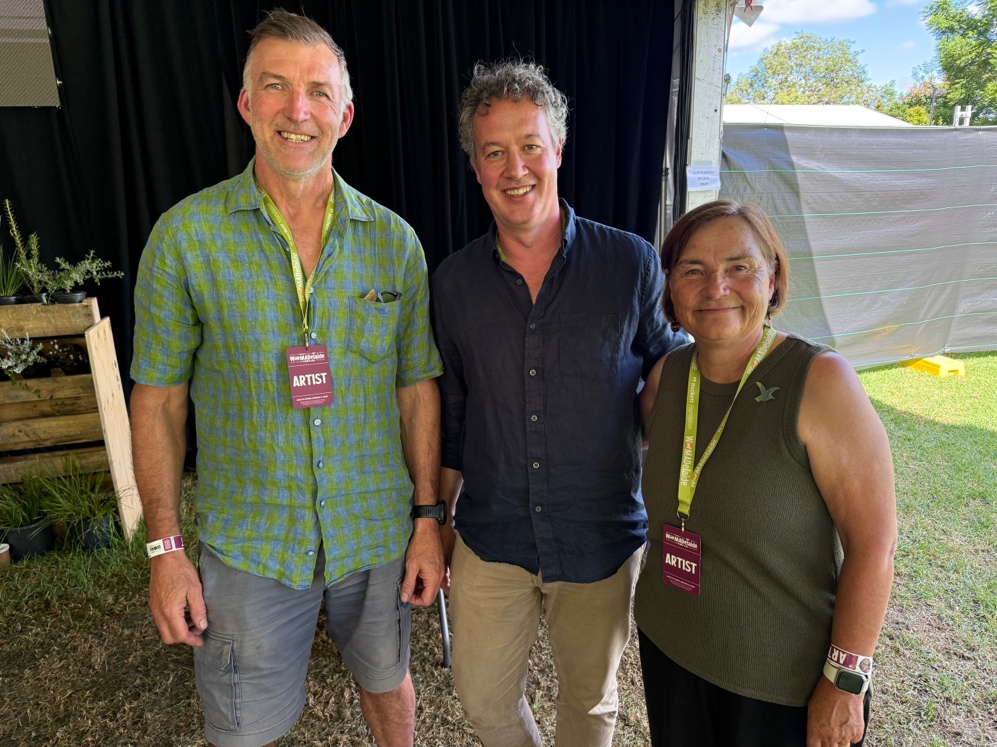
 Prof Andy Lowe
Leave a comment