Kirsha Kaechele, an American artist and curator, has bought us an interesting concept in ‘Eat the problem‘.
So what is it?
Eco Science Leader & Biodiversity Scientist | Tackling Global Sustainability Challenges | UN Advisor | Eco Futurists Host

Kirsha Kaechele, an American artist and curator, has bought us an interesting concept in ‘Eat the problem‘.
So what is it?

According to recent media coverage, Australian honey and honey producers are under threat from fraud.
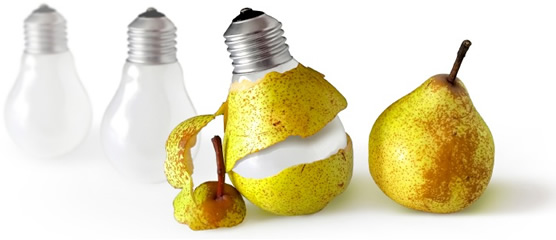
WITH food production and processing going through its biggest change since the industrial revolution, what can we expect our food to look like in the future? Some of these advances will be to the product we eat, some will be to the packing the product comes in and some will not be so obvious, but will be major changes to the way food is produced.
Bees mean honey right?
Well yes and no.
Yes, we have exploited and managed bees for their delicious byproduct for millennia. Besides a great tasting and relatively healthy sweetener, honey and bees are used for other purposes.
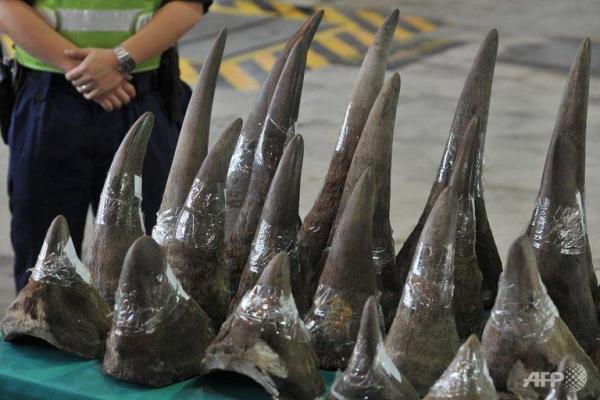
Illegal logging and wildlife poaching are driving species to extinction. But the scientists working to save these species may also inadvertently be releasing information that helps poachers find and destroy these species. Read on for helpful advice on how to avoid releasing a treasure map for poachers, rewritten from an interview with Robyn Williams for ABC’s Ockham’s razor.
Continue reading “Saving threatened species from the danger of poachers”

With almost a third of arable land classified as degraded, what can we do to reverse the rapid pace of degradation and can we do it in a way that benefits us?

Weeds are the bane of life for gardeners, farmers and conservationists, but they may have some previously unrecognised benefits in highly degraded landscapes.
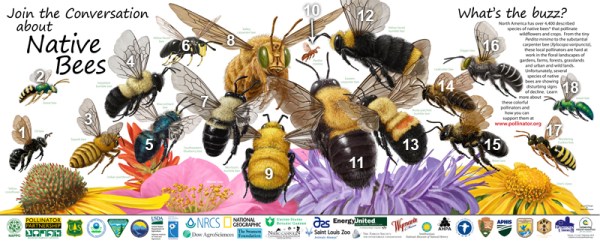
Feral honey bees – European bees which have escaped from hives into the wild – are surprisingly useful in Australia. They pollinate over 70% of crops that require pollination, like apples, pears, lucerne, melons, berries, canola. But with Varroa mite, a blood-sucking pest of bees, decimating the feral honey bee population globally, and set to invade Australia in the near future, what can be done to maintain pollination services?
Biosprospecting is the process of discovering and commercialising new products derived from nature. The process of discovery often uses indigenous or traditional knowledge, but has, more often than not, been more of a scatter gun approach to surveying and testing the bioactivity of a range of products from all plants and animals in a region.
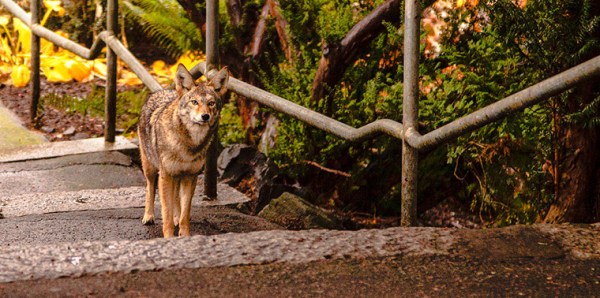
Rewilding is the concept of reintroducing native animals and plants to an area where they have declined or gone extinct.
Continue reading “Rewilding; not just for plants and animals”
 Prof Andy Lowe