According to recent media coverage, Australian honey and honey producers are under threat from fraud.
The next big things for food
WITH food production and processing going through its biggest change since the industrial revolution, what can we expect our food to look like in the future? Some of these advances will be to the product we eat, some will be to the packing the product comes in and some will not be so obvious, but will be major changes to the way food is produced.
Reversing the great global bee decline
Bees mean honey right?
Well yes and no.
Yes, we have exploited and managed bees for their delicious byproduct for millennia. Besides a great tasting and relatively healthy sweetener, honey and bees are used for other purposes.
The Federated States of Degradia
With almost a third of arable land classified as degraded, what can we do to reverse the rapid pace of degradation and can we do it in a way that benefits us?
Buzz around pollinators
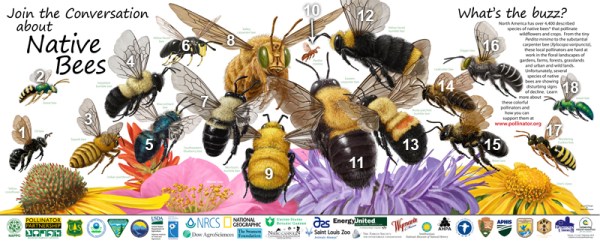
Feral honey bees – European bees which have escaped from hives into the wild – are surprisingly useful in Australia. They pollinate over 70% of crops that require pollination, like apples, pears, lucerne, melons, berries, canola. But with Varroa mite, a blood-sucking pest of bees, decimating the feral honey bee population globally, and set to invade Australia in the near future, what can be done to maintain pollination services?
New food fads and functions
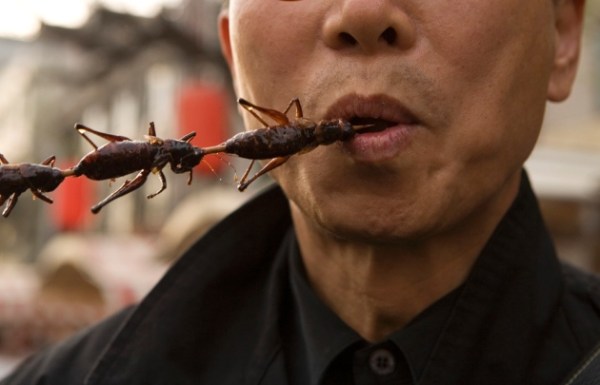
I don’t know about you, but I’ve eaten some pretty strange things in my time:
- Australian animals and ferals – camel, crocodile, kangaroo – but then who hasn’t
- Big game in East Africa – giraffe, zebra, gazelle, eland
- Guinea Pigs in South America
- The eggs of the horseshoe crab in Thailand
- A range of fungus, lichen, moss, ferns and conifers in China
- And even part of a human placenta – although I didn’t realise it at the time – during a tribal ritual in Tanzania
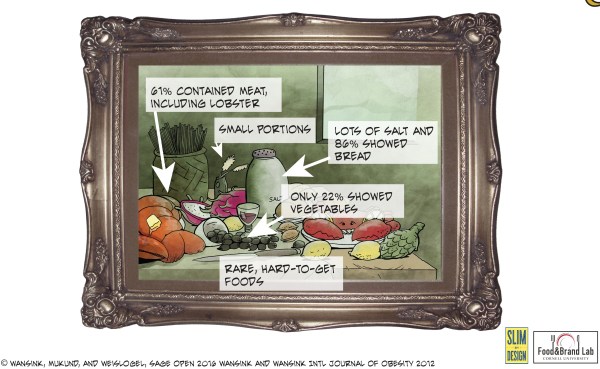
#foodporn – trending for over 500 years
Food porn is the glamourised or spectacular visual presentation of cooking or eating. Typically images feature foods that are high in fat and calories, exotic dishes that arouse a desire to eat or the glorification of food as a substitute for sex.
Where does your food come from?
I’m not talking here about which supermarket or grocery you shop in, or whether your food was grown locally or comes from overseas, but rather where the crop plants we eat were first discovered and developed as food. Now that we can pretty much eat whatever we want, from wherever we want, whenever we want – do you know where the food you eat first evolved and originated from?
The Agtech revolution is here
Science fiction and futurists visions (e.g. Brian D. Colwell) commonly depict robots running agricultural production, for example, automated farm harvest machinery in the film Interstellar.
Innovation for food
Over the last few years, food production and processing have been embarking on the biggest change since the industrial revolution. Novel approaches that exploit robotics, machine learning, computer vision, epi-genetics and gene editing technologies are being used to improve the efficiency and cost-effectiveness of food production.