I was recently at the Global Food Summit – Seeds and Chips – in Milan, and surprised to see that out of the 350 or so startups exhibiting there, about a quarter were profiling some sort of alternative protein source.
Alternative protein sources
Eco Science Leader & Biodiversity Scientist | Tackling Global Sustainability Challenges | UN Advisor | Eco Futurists Host
I was recently at the Global Food Summit – Seeds and Chips – in Milan, and surprised to see that out of the 350 or so startups exhibiting there, about a quarter were profiling some sort of alternative protein source.
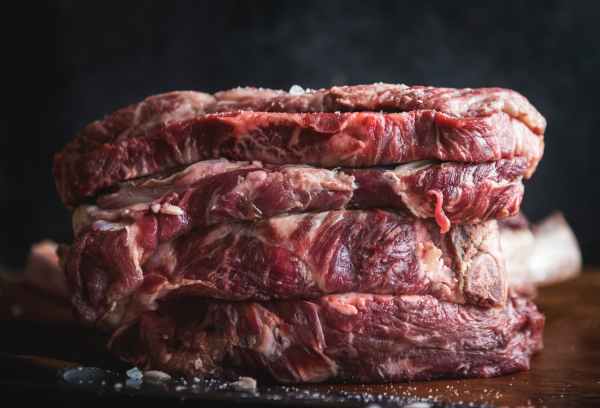
We are starting to see some pretty interesting dietary trends that aim to lower our meat consumption, but they are not based on the traditional ethical or health grounds, but now on environmental and climate impact grounds.

As you sit down to your next meal, concerns about food waste are probably furthest from your mind.
But instead of just making you feel guilty about it – and heaven knows there are enough issues flying around at the moment to cover off on that emotion – lets look at what can be done about food waste.

According to recent media coverage, Australian honey and honey producers are under threat from fraud.
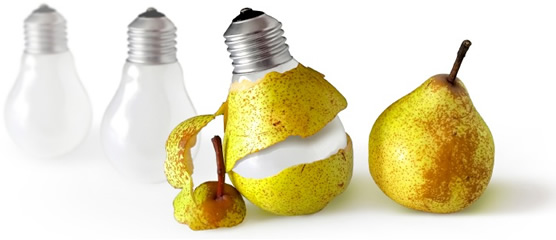
WITH food production and processing going through its biggest change since the industrial revolution, what can we expect our food to look like in the future? Some of these advances will be to the product we eat, some will be to the packing the product comes in and some will not be so obvious, but will be major changes to the way food is produced.
Bees mean honey right?
Well yes and no.
Yes, we have exploited and managed bees for their delicious byproduct for millennia. Besides a great tasting and relatively healthy sweetener, honey and bees are used for other purposes.

With almost a third of arable land classified as degraded, what can we do to reverse the rapid pace of degradation and can we do it in a way that benefits us?
Biosprospecting is the process of discovering and commercialising new products derived from nature. The process of discovery often uses indigenous or traditional knowledge, but has, more often than not, been more of a scatter gun approach to surveying and testing the bioactivity of a range of products from all plants and animals in a region.

I’m not talking here about which supermarket or grocery you shop in, or whether your food was grown locally or comes from overseas, but rather where the crop plants we eat were first discovered and developed as food. Now that we can pretty much eat whatever we want, from wherever we want, whenever we want – do you know where the food you eat first evolved and originated from?

Science fiction and futurists visions (e.g. Brian D. Colwell) commonly depict robots running agricultural production, for example, automated farm harvest machinery in the film Interstellar.
 Prof Andy Lowe