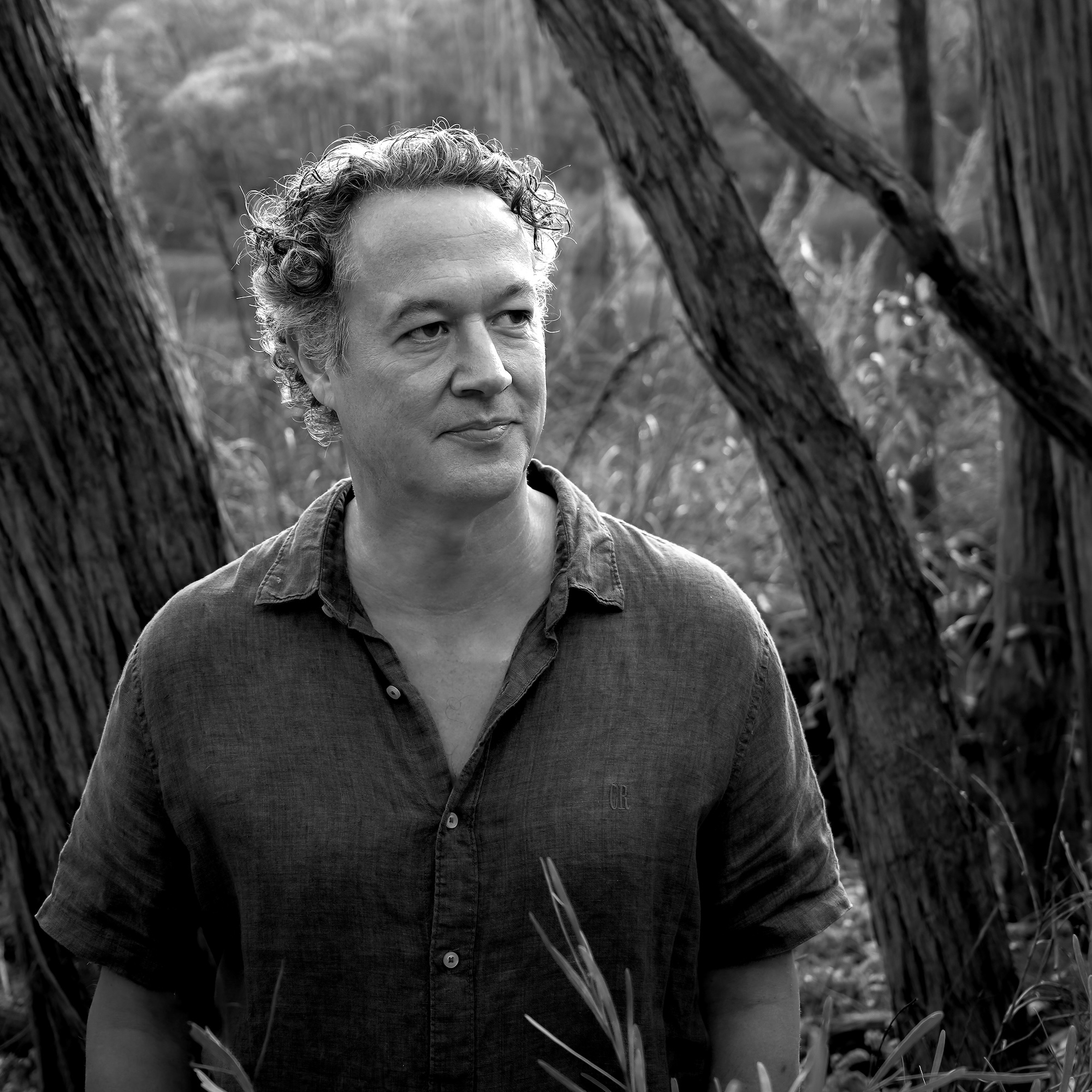
Over the holiday season I published this enlivening and yet grounding chat with Matthew Skjonsberg, Director of the Praxis Institute. He was visiting Adelaide from Switzerland late last year and I was lucky enough to get him in studio to speak about his knowledge, passions and visions for park systems around the world.
Continue reading “A walk in the park? The park systems that help shape our cities, cultures, and civic identities”Citizen Scientists: the willing and able who are helping drive research forward
They may not have research degrees or formal qualifications, but there are millions of people globally putting their hands up to and participating in Citizen Science projects. Community science puts ordinary citizens front and center in often groundbreaking research, with amazing results. In this episode of Eco Futurists host Prof Andy Lowe has a delightful conversation with Dr Erinn Fagen-Jeffries and Prof Frank Grützner about the lessons learned in the evolution of Citizen Science projects, echidna poo, and a new insect named ‘Oreo’.
Continue reading “Citizen Scientists: the willing and able who are helping drive research forward”When the invaders are locked out: bringing back threatened native species in outback Australia
When the continent of Australia was settled by Europeans they came with their cats, foxes, rabbits and any number of foreign animals. It didn’t take long for these ‘invaders’ to destabilise delicate ecosystems and lead to a wave of the extinction amongst native animals.
Continue reading “When the invaders are locked out: bringing back threatened native species in outback Australia “The Cycle of Influence, Laws and Nature
What is the Law’s role, locally and internationally, in implementing good practises and emerging technologies to remedy declining biodiversity and a changing climate? Are legal systems too cumbersome to act with the urgency demanded by academia, community and industry?
Continue reading “The Cycle of Influence, Laws and Nature”Trees are not the problem: taking a holistic approach to reverse deforestation
When you disregard human factors and ignore faulty systems, you might just be left up the creek without a paddle. CIFOR ICRAF has been tackling the deforestation dilemma for decades; and considers forests as part of a larger integrated system rather than an isolated problem.
Continue reading “Trees are not the problem: taking a holistic approach to reverse deforestation”Keeping curiosity: youth reflections on Dr Jane Goodall’s quest for a more sustainable future
Join us in this energetic and motivating episode as I speak with Tiahni Adamson (Young South Australian of the Year 2024) and Shannon Evenden (Science Communicator with The Green Room). They talk all things kids, nature, and how being more like mud not stone might be just the answer to our conservation and climate change challenges.
Continue reading “Keeping curiosity: youth reflections on Dr Jane Goodall’s quest for a more sustainable future”Under the surface: shedding light on ‘ocean blindness’
What happened when the head of Engineering for Google Australia and the Professor and author behind Australia’s first ever textbook on Marine Ecology came together? Nothing short of the miraculous bringing back to life of an extinct ecosystem in the waters of Australia’s biodiverse southern coastline.
And what’s next on the sparkly horizon?

Saving threatened species from the danger of poachers
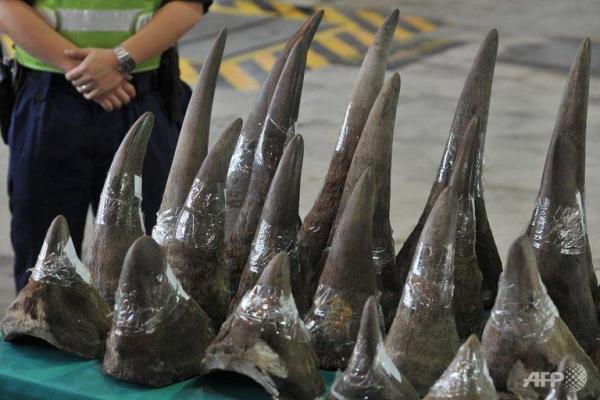
Illegal logging and wildlife poaching are driving species to extinction. But the scientists working to save these species may also inadvertently be releasing information that helps poachers find and destroy these species. Read on for helpful advice on how to avoid releasing a treasure map for poachers, rewritten from an interview with Robyn Williams for ABC’s Ockham’s razor.
Continue reading “Saving threatened species from the danger of poachers”
Publish but don’t perish
Highly collectable species, especially those that are rare and threatened, can be put at risk from poaching if information describing there location is published. But rather than withholding this information, scientists should publish such data through secure portals so that this knowledge can be used to help conserve and manage the world’s most threatened species.