Weeds are the bane of life for gardeners, farmers and conservationists, but they may have some previously unrecognised benefits in highly degraded landscapes.
When weed is good

Eco Science Leader & Biodiversity Scientist | Tackling Global Sustainability Challenges | UN Advisor | Eco Futurists Host
Weeds are the bane of life for gardeners, farmers and conservationists, but they may have some previously unrecognised benefits in highly degraded landscapes.
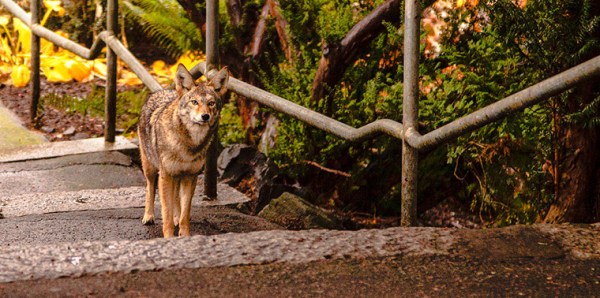
Rewilding is the concept of reintroducing native animals and plants to an area where they have declined or gone extinct.
Continue reading “Rewilding; not just for plants and animals”

I’m not talking here about which supermarket or grocery you shop in, or whether your food was grown locally or comes from overseas, but rather where the crop plants we eat were first discovered and developed as food. Now that we can pretty much eat whatever we want, from wherever we want, whenever we want – do you know where the food you eat first evolved and originated from?

Over the last few years, food production and processing have been embarking on the biggest change since the industrial revolution. Novel approaches that exploit robotics, machine learning, computer vision, epi-genetics and gene editing technologies are being used to improve the efficiency and cost-effectiveness of food production.

Highly collectable species, especially those that are rare and threatened, can be put at risk from poaching if information describing there location is published. But rather than withholding this information, scientists should publish such data through secure portals so that this knowledge can be used to help conserve and manage the world’s most threatened species.
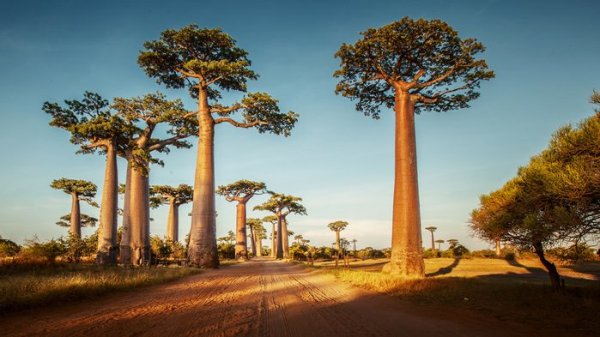
A new global analysis looking at the distribution of forests and woodlands has ‘found’ 467 million hectares of previously unreported forest in dryland ecosystems – a land area equivalent to 60% of Australia. In this day and age of advanced remote sensing how are such discoveries still possible?

We may have been able to tame the dog – the only large carnivore to now happily coexist with humans. But how does domestication occur and can we learn from it to develop new animal breeds and crop varieties for food?

Science can identify the source of timber and verifying legality. So it should be a simple case to apply the science to new international legislation that aims to limit illegally logged timber in global supply chains. Well not quite, the application of science requires detailed understanding of the timber industry and supply chain dynamics.
Continue reading “Science can identify illegally logged timber – so lets start implementing”
Prof Andy Lowe was shortlisted for the 2016 South Australia Science Excellence Awards. The awards showcase the critical importance of science and research to the development of industry and our society.
Continue reading “South Australian Science Excellence Awards 2016”

Roof top gardens aren’t just a quasi hipster architect’s dream concept, but really help insulate and cool buildings, capture rainwater and provide locally sourced food. Scientists are now extending their uses to help conserve endangered plant species.
 Prof Andy Lowe