Science in the media in a post truth world

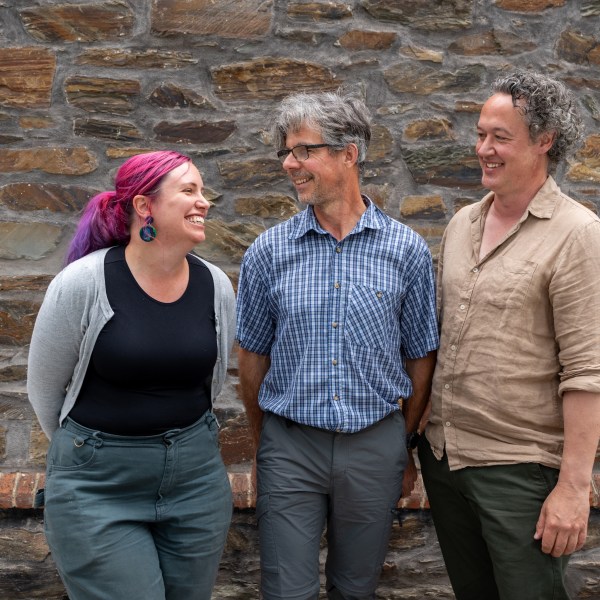
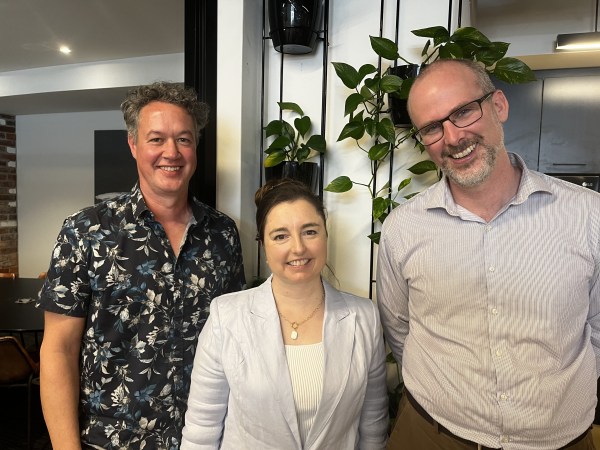
I had the great pleasure of speaking with science writer Sarah Keenihan about one of my favourite subjects: communicating science! In a time when algorithms track our every click through the media scape how do we know when we’re being duped? How do we ensure that the scientific ‘fact’ we’re consuming is, in fact, truthful, and how do we get science fact out there?

Continue reading “Science in the media in a post truth world”

A walk in the park? The park systems that help shape our cities, cultures, and civic identities

Over the holiday season I published this enlivening and yet grounding chat with Matthew Skjonsberg, Director of the Praxis Institute. He was visiting Adelaide from Switzerland late last year and I was lucky enough to get him in studio to speak about his knowledge, passions and visions for park systems around the world.

Continue reading “A walk in the park? The park systems that help shape our cities, cultures, and civic identities”

Citizen Scientists: the willing and able who are helping drive research forward

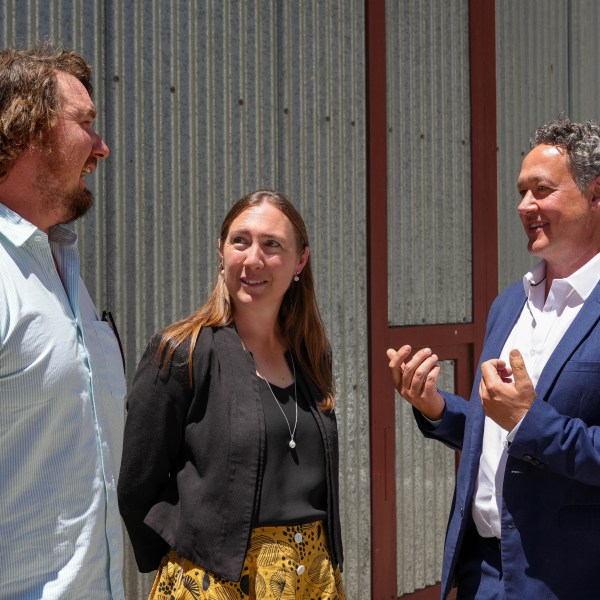
They may not have research degrees or formal qualifications, but there are millions of people globally putting their hands up to and participating in Citizen Science projects. Community science puts ordinary citizens front and center in often groundbreaking research, with amazing results.  In this episode of Eco Futurists host Prof Andy Lowe has a delightful conversation with Dr Erinn Fagen-Jeffries and Prof Frank Grützner about the lessons learned in the evolution of Citizen Science projects, echidna poo, and a new insect named ‘Oreo’. 

Continue reading “Citizen Scientists: the willing and able who are helping drive research forward”

When the invaders are locked out: bringing back threatened native species in outback Australia 

When the continent of Australia was settled by Europeans they came with their cats, foxes, rabbits and any number of foreign animals. It didn’t take long for these ‘invaders’ to destabilise delicate ecosystems and lead to a wave of the extinction amongst native animals.

Continue reading “When the invaders are locked out: bringing back threatened native species in outback Australia “

Keeping curiosity: youth reflections on Dr Jane Goodall’s quest for a more sustainable future

Join us in this energetic and motivating episode as I speak with Tiahni Adamson (Young South Australian of the Year 2024) and Shannon Evenden (Science Communicator with The Green Room). They talk all things kids, nature, and how being more like mud not stone might be just the answer to our conservation and climate change challenges.

Continue reading “Keeping curiosity: youth reflections on Dr Jane Goodall’s quest for a more sustainable future”

Jane Goodall on nature education, empathy, local focus, and some timeless advice from her mother

Jane Goodall is a living icon. While we’re most familiar with Jane’s conservation promotion through her work on animal behaviour, she also works tirelessly reaching out to the younger generation, fostering a global community of conservation. Jane was recently in Australia and as part of a public lecture spoke with Eco Futurist host Prof Andy Lowe during The Jane Goodall Institute’s ‘Reasons for Hope Tour’. This podcast is a recording of this public ‘fire side chat’ with Jane.

Continue reading “Jane Goodall on nature education, empathy, local focus, and some timeless advice from her mother”

Under the surface: shedding light on ‘ocean blindness’

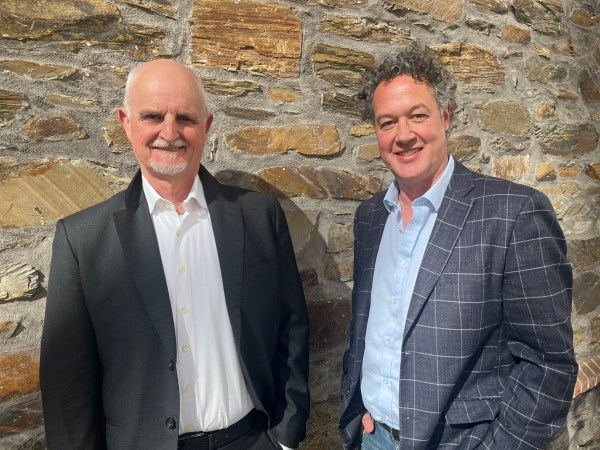
What happened when the head of Engineering for Google Australia and the Professor and author behind Australia’s first ever textbook on Marine Ecology came together? Nothing short of the miraculous bringing back to life of an extinct ecosystem in the waters of Australia’s biodiverse southern coastline.

And what’s next on the sparkly horizon?

Prof. Sean Connell with fish on Windara Reef
Continue reading “Under the surface: shedding light on ‘ocean blindness’”

Water: too much, too little, too dirty

Water is finally back on the global table after 46 years of not being discussed at a global scale conference. Conservation, salinity, pricing, agriculture, cultural use – the list goes on. Is the subject of water rights at risk of getting lost in an endless talk fest? Where do we start when trying to come up with solutions to the many water issues we face on a local and global scale? What even are ‘water rights’?

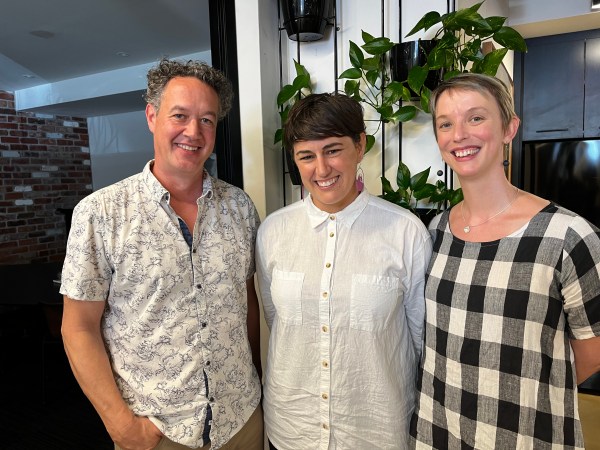
In this podcast episode host Prof Andy Lowe Interim Director of the Environment Institute University of Adelaide, speaks with Assoc Prof Peter Burdon and Prof Sarah Wheeler, both from the University of Adelaide. Sarah is a water economist from the School of Economics and Public Policy, and Peter is an expert in environmental law from the Adelaide Law School.

Continue reading “Water: too much, too little, too dirty”

Create a website or blog at WordPress.com

Up ↑